Is a B.Ed Degree Worth It? Scope, Career Opportunities & Job Prospects
Explore B.Ed scope in Pakistan, ECE careers, job opportunities, skills and future prospects to decide whether a B.Ed degree is right for you.
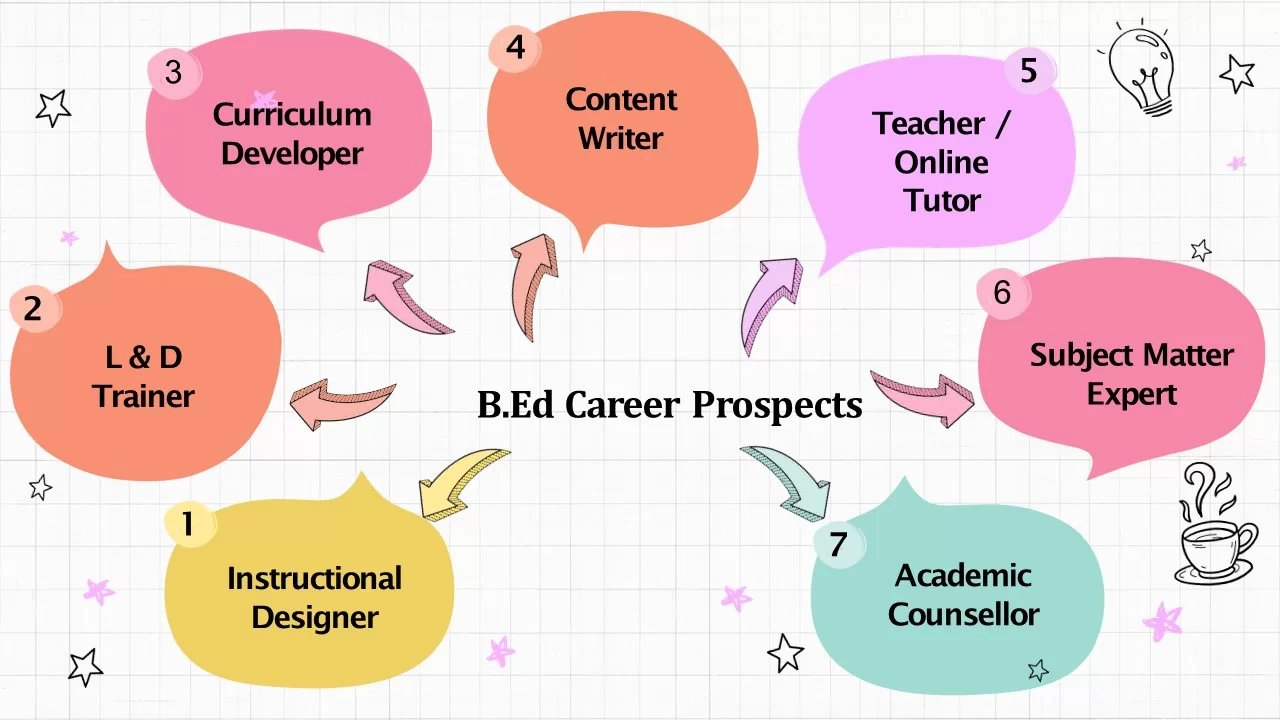
Choosing a university degree is an important decision because it can shape your future career. For students who enjoy teaching, working with children, mentoring others, or contributing to education, a Bachelor of Education (B.Ed) can be a practical and rewarding choice.
Many students, however, still ask: Is a B.Ed degree worth it in Pakistan? Some assume it only leads to school teaching. In reality, B.Ed graduates can explore opportunities in Early Childhood Education (ECE), academic coordination, curriculum development, teacher training, educational content, and programme management.
What Is a B.Ed Degree?
A B.Ed is a professional degree that prepares students for teaching and other education-related roles. Programme structure and duration may vary according to the university and a student's previous qualifications.
The degree usually develops knowledge and skills in teaching methods, lesson planning, classroom management, educational psychology, student assessment, curriculum development, child development, and educational technology.
It is not simply about learning how to deliver lessons. B.Ed students also learn how children understand concepts, how learning environments can be managed, and how teaching methods can be adapted to different ages and learning needs.
Is a B.Ed Degree Worth It in Pakistan?
A B.Ed can be worthwhile for students who have a genuine interest in education and learning.
Pakistan has a wide network of schools, preschools, educational organisations, NGOs, training institutions, and online learning platforms. These organisations need professionals who can teach, develop learning resources, coordinate academic activities, and support educational programmes.
However, a degree alone does not guarantee career success. Employers also value communication skills, practical experience, digital literacy, confidence, subject knowledge, and the ability to work effectively with students.
Combining a B.Ed with strong technology, communication, or ECE skills can therefore broaden your career prospects.
Scope of B.Ed Beyond Teaching
One common misconception is that B.Ed graduates can only become teachers. While teaching remains an important career path, there are several other options.
Teaching and Academic Roles
B.Ed graduates can apply for teaching positions in schools and educational institutions, depending on employer requirements.
With experience, they can progress into roles such as senior teacher, subject coordinator, academic coordinator, section head, or school administrator.
Early Childhood Education (ECE)
Early Childhood Education is an important field for those interested in working with young children. It focuses on children's early development, including communication, social, emotional, cognitive, and foundational learning skills.
Graduates with ECE knowledge can explore opportunities in preschools, Montessori schools, kindergarten sections, early learning centres, and child-focused education programmes.
Possible roles include Early Childhood Educator, Preschool Teacher, Kindergarten Teacher, ECE Coordinator, Learning Facilitator, and Early Years Curriculum Developer.
Creativity, patience, storytelling, play-based learning, classroom management, and an understanding of child development are especially useful in this field.
Curriculum Development and Educational Content
B.Ed graduates can also work in curriculum development and educational content creation. They may prepare lesson plans, assessments, teacher guides, worksheets, learning activities, and digital educational resources.
Schools, publishers, training organisations, education projects, and EdTech companies may require professionals with these skills.
Training and Education Programme Management
Graduates with strong communication and presentation skills can also explore teacher training, learning and development, and professional development.
NGOs and educational organisations may offer opportunities in literacy projects, teacher-training programmes, community education, and student development initiatives.
Career Opportunities After B.Ed
Depending on qualifications, skills, experience, and employer requirements, career options may include:
- School Teacher
- Preschool or Kindergarten Teacher
- Early Childhood Educator
- ECE Coordinator
- Academic Coordinator
- Curriculum Development Executive
- Learning & Development Professional
- Education Programme Executive
- Elementary Education Consultant
- Teacher Trainer
- Educational Content Developer
- Online Learning Facilitator
Career prospects can improve when graduates develop specialist knowledge in ECE, educational technology, curriculum development, education leadership, psychology, or management.
Skills That Improve Job Prospects
Alongside a degree, students should build strong professional skills. Communication, presentation, classroom management, digital literacy, teamwork, content development, problem-solving, and interpersonal skills can improve employability.
For ECE careers, storytelling, creative activities, play-based learning, and understanding child development are particularly valuable.
Practical experience also matters. Teaching practice, internships, tutoring, preschool experience, volunteer projects, and online teaching can strengthen a graduate's CV and confidence.
Who Should Consider a B.Ed?
A B.Ed may be suitable for students who enjoy explaining ideas, working with children or young people, designing learning activities, and helping others develop.
It is particularly relevant for those interested in teaching, ECE, curriculum development, academic coordination, teacher training, or educational management.
Students should not choose B.Ed simply because they think teaching is easy. Successful educators need patience, creativity, adaptability, responsibility, and a genuine interest in helping others learn.
Conclusion
So, is a B.Ed degree worth it? For students interested in teaching, Early Childhood Education, curriculum development, academic coordination, training, or education programmes, it can provide a strong professional foundation.
Its real value comes from combining academic knowledge with practical experience, communication skills, digital capabilities, and continuous learning.
If you are considering a B.Ed and want to explore your study and career options, visit Virtual University of Pakistan – Johar Town Campus (PLHR68), Lahore for admission information, academic guidance, career counselling, and further consultation.
FAQs
1. Is B.Ed only for becoming a teacher?
No. Graduates can also explore ECE, curriculum development, academic coordination, teacher training, educational content, and programme management.
2. What is the scope of ECE after B.Ed?
ECE can lead to opportunities in preschools, Montessori schools, kindergarten sections, early learning centres, and child-focused education programmes.
3. What jobs can I get after B.Ed in Pakistan?
Possible roles include teacher, early childhood educator, ECE coordinator, academic coordinator, curriculum developer, teacher trainer, and education programme executive.
4. Which skills improve B.Ed career prospects?
Communication, classroom management, digital literacy, presentation, teamwork, creativity, and practical teaching experience are especially useful.
5. Is B.Ed a good degree for the future?
It can be a good option for students interested in long-term careers in teaching, ECE, training, curriculum development, and academic management.